You guys helped me save my son's fish. The swim bladder is the most important organ in your fish’s body.
Swim Bladder Disorder Betta Fish Care
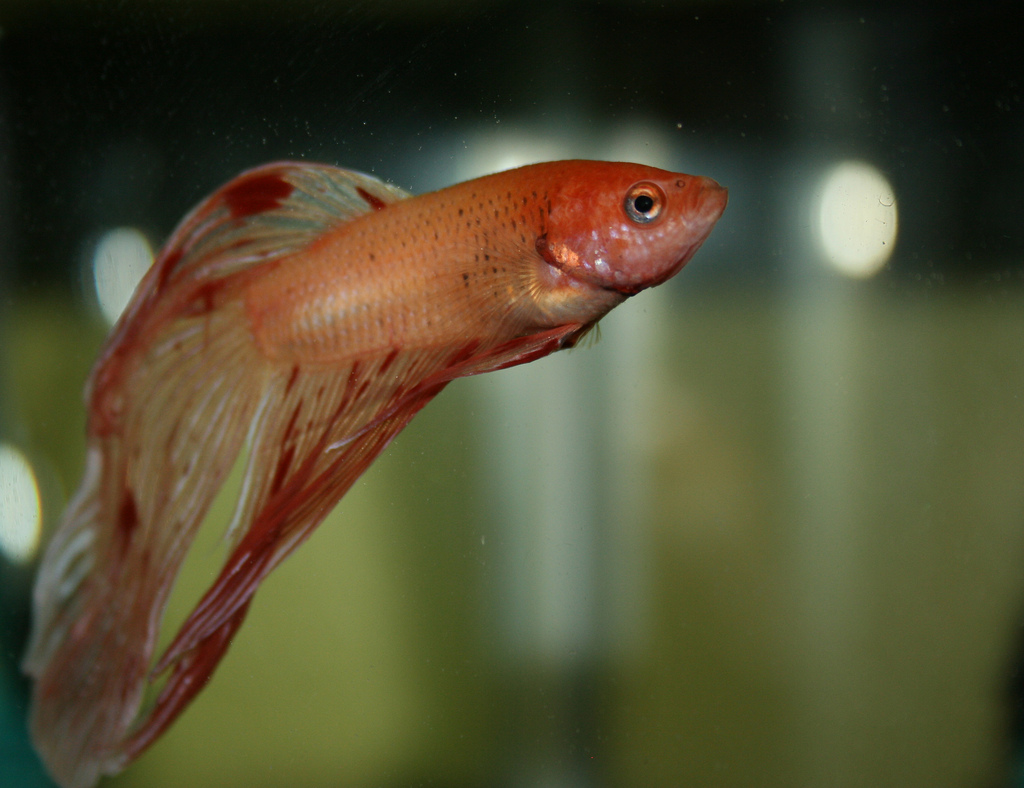
The most common cause of swim bladder problems in betta fish is constipation due to overfeeding.

Swim bladder issues betta. He has to work his tail off to stay upright and he can't manage to stay. Although commonly seen in goldfish and bettas, swim bladder disorder can affect virtually any species of fish. Luckily he can still be happy and healthy, and sounds like it if he’s active and excited about food, has good colors, etc!
Let's see if we can do it again. By carasmith, 4 years ago on tropical fish. Swim bladder disease (sbd) is a distressing condition that commonly affects bettas.
A common laxative is a frozen pea that you boil a little bit and remove the. This is a fairly common disease among bettas. Saving a betta with ammonia poisoning and swim bladder issues.
The most common causes stem from feeding issues or poor water quality. Limit fatty foods such as bloodworms and brine shrimp to once a week. Then, over the last several days he has been showing symptoms of swim bladder issues.
If they are suffering from this, they’ll look fairly healthy overall, but you’ll notice a lack of defecation and a bloated stomach. If you think shock is causing swim bladder disease in your betta then there’s not a lot you can do for him. I just got a betta almost a week ago, last friday.
The disorder refers to a collection of issues affecting the swim bladder, rather than a single disease. If constipation is the cause of swim bladder disease in your betta, it could result in death if left untreated. Its common causes like overfeeding, injury, bacterial infection, and birth defects.
Once their symptoms occurred, you need to swift curing to avoid fatally. Betta to be kind it could be permanent swim bladder issues, somewhat rarely they get sbd and it can’t be treated. This can be caused by overfeeding or it can occur with younger bettas when their swim bladders are not yet fully formed.
Betta fish experience many similar issues that humans do, such as constipation, congenital disabilities, and bacterial infections. In the simplest terms, swim bladder disorder is when a disruption occurs within the swim bladder of your betta. Overfeeding also creates fatty deposits to build up in the bladder—betta fish feed from the surface, which causes them to gulp air.
A fish with swim bladder disease may swim in circles because it can’t maintain a straight course. Sometimes the betta will sink to the bottom of the tank or float to the top. Swim bladder disorder is when a betta has a disrupted swim bladder.
The condition is not a disease but rather a secondary symptom of other betta fish diseases or ailments. It is a good idea to fast the betta for 24 to 48 hours before giving your fish a bath. The signs of overfeeding are similar to the symptoms of constipation, so it can be tough to tell the two apart.
There are many potential causes of issues in a betta swim bladder. This is why peas and fastin gare being suggested. Problems with the betta swim bladder typically indicate other diseases or health.
Feeding a betta too much fatty food. Bettas with an issue with their swim bladder will have difficulty swimming straight. Swim bladder disease in betta can be cured.
What is swim bladder disorder? I don't have special knowledge about swim bladder issues beside what you and i can google. This disorder is commonly seen in betta keeping and it usually just goes away by itself.
However, it does have the benefit of being fairly easy to treat. How does epsom salt help swim bladder in betta? However, his swimming was very spastic and quick, not slow and graceful.
In the majority of cases, overfeeding is the cause of swim bladder disorder in betta fish. I noticed him sink to the bottom one day. Although people often call it a disease, swim bladder is a general term for various issues involving a betta’s swim bladder.
The disorder is often treatable, and a fish can experience a full. He would still get up and swim around though. The most common cause of swim bladder disorder in betta is constipation.
Honestly, it is most often a full tummy or comstipation pressing on the swim bladder. It is possible to relieve swim bladder problems with an epsom salt bath. First of all it's great that your betta is still eating, colorful and in good shape.
Constipation can result from overfeeding, which can lead to swim bladder issues. Swim bladder problems in betta fish are most commonly caused by: Betta fish swim bladder can be delicate, and injuries or digestive issues can cause major problems in a betta swim bladder.
Eventually, it will turn around and float to the top. Basic treatments such as fasting your betta, take medication, tailored their fit environment. The good news is that often with bettas, their swim bladder is just being affected by something.
There are a few different possible causes. Use one teaspoon of epsom salt. When the swim bladder is not working properly, a betta will have trouble swimming straight.
As you can imagine, issues with a fish’s swim bladder impact its movements. Epsom salt for swim bladder disease When the lights are off your betta will be more inclined to rest which will help him make a speedy recovery.
The best thing to do is to make sure the tank is the right temperature and turn off the lights. Often this causes constipation, which affects the swim bladder. When a fish suffers from swim bladder disease, they often swim in strange patterns, have trouble moving, or lay at the bottom of the.
It regulates the flow of water. Your pet might also swim on his side, upside down, or with its head down. He was doing great the first day or two.
Even when they are full, the betta fish will continue to eat.

Weird Betta behavior The Planted Tank Forum

Swim Bladder Disorder Betta

Need Help Feeding A Betta Prone To Swim Bladder Issues
Swim Bladder Disorder Bettaboxx


17 Best images about Sick Betta Fish on Pinterest